
How much does custom CRM software really cost? For most small and mid-sized businesses, a custom CRM built to fit their actual sales process costs between $12,000 and $30,000 (roughly 120,000 to 300,000 MAD), depending on complexity and the number of integrations needed. That's the number nobody puts on a landing page, and it's the one that actually matters once you look past the headline pricing shown on big software vendors' websites.
The answer depends heavily on the model chosen, and the gaps between options are bigger than most people expect going in.
Why is the sticker price of a generic CRM misleading?
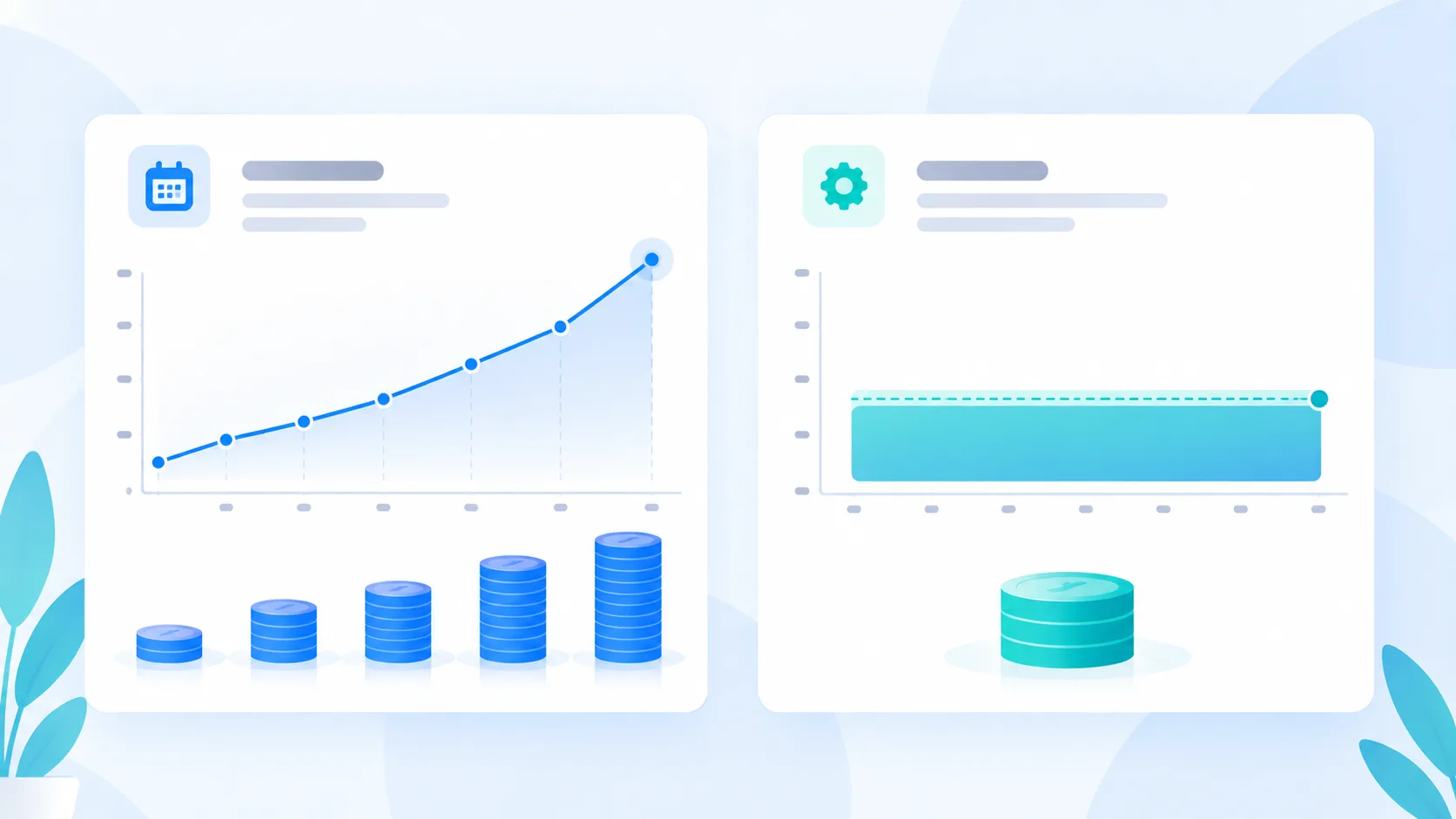
Big SaaS vendors often display a per-user, per-month price that looks reasonable at first glance. The problem shows up once you multiply that amount by the number of users, over several years, with the tool never really adapting to how the company actually sells. That recurring, lifetime cost often ends up far exceeding what custom CRM software built to last and genuinely fit the business would have cost. The comparison rarely gets made explicitly, which is exactly why the generic price looks appealing on a landing page.
What exactly do you get for that price?
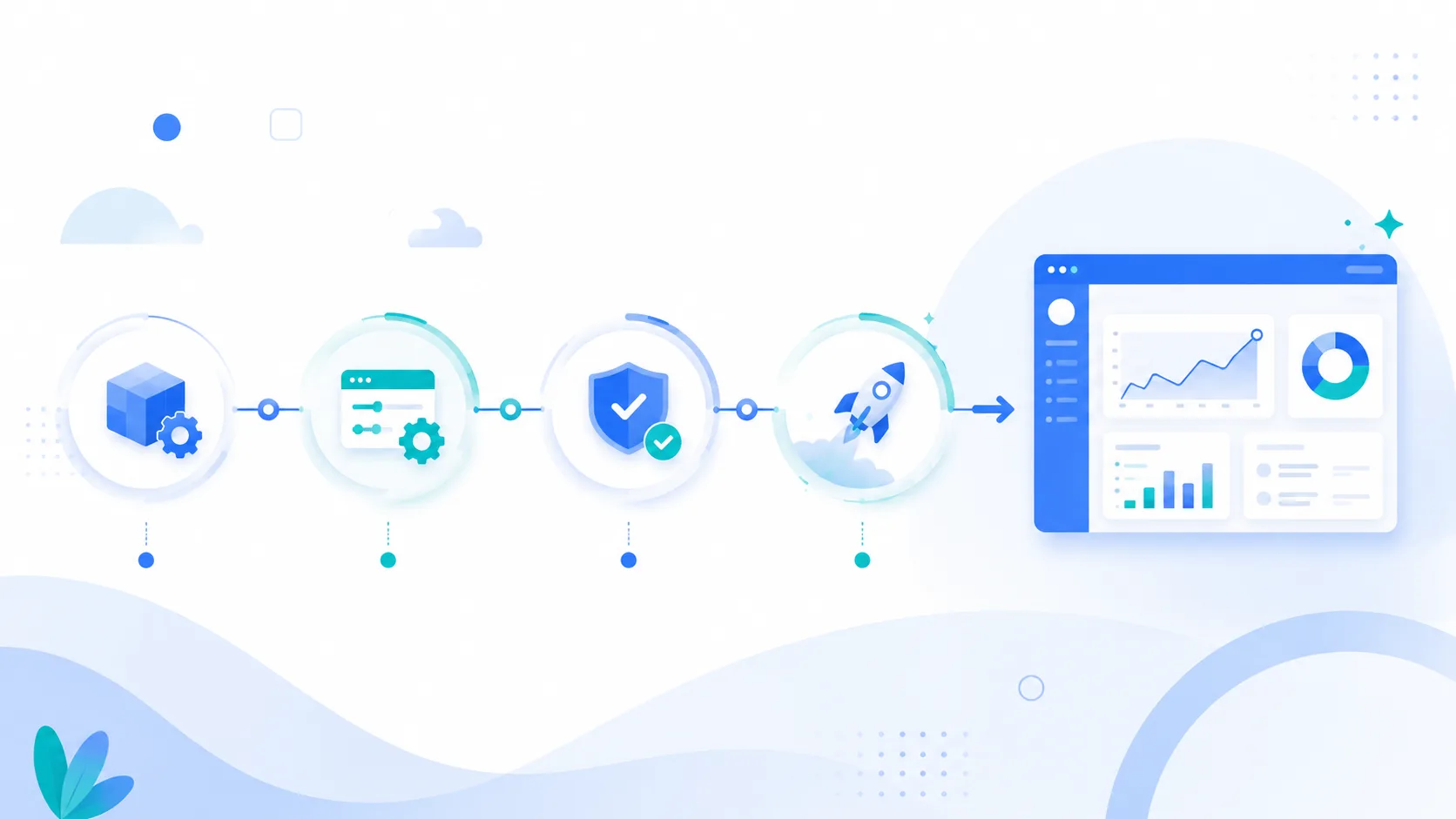
The number on its own doesn't say much without knowing what it includes. A typical project covers the configuration of the CRM's core structure around how the business actually sells, the adaptation of fields and workflows to the industry's specific vocabulary, migration of existing customer and deal data from spreadsheets or a previous tool, and training sessions so the team is actually using the system correctly from week one rather than fighting it. None of these steps are optional extras billed separately, they're part of what makes the price a project cost rather than a software rental fee.
What makes this cost vary from one project to another?
Three main factors: the complexity of the industry and its specific vocabulary, the volume of existing data to migrate from previous tools, and the number of integrations needed with other tools already used by the company (messaging, payment, e-signature). A simple project, with little data to migrate, naturally sits at the lower end of the range, while a project with several complex integrations moves toward the higher end.
How does the cost compare across company sizes?
A five-person team and a fifty-person team don't face the same cost drivers. Team size itself matters less than the number of distinct roles and workflows the CRM needs to support: a small team with one simple sales process costs less to configure than a larger team split across several departments with different needs. Data volume tends to grow with company size too, which is often the bigger factor behind a higher quote, more than the headcount itself.
What's the typical payment structure for a project like this?
Most projects at this scale are structured around milestones rather than a single upfront payment: an initial deposit to start configuration, a payment tied to data migration and core setup, and a final payment on delivery and training. This structure protects both sides, the provider gets paid as work progresses, and the client isn't asked to commit the full amount before seeing anything functional.
Does opting for AI features increase the cost?
It can, but usually as an optional add-on rather than a requirement baked into the base price. Features like automated lead scoring or AI-assisted follow-up suggestions are typically enabled progressively, once the core CRM is running and the team has real usage data to build on. Starting without them and adding them later is often the more sensible order, rather than paying for AI capabilities the team isn't ready to use yet.
How does this compare to building a CRM completely from scratch?
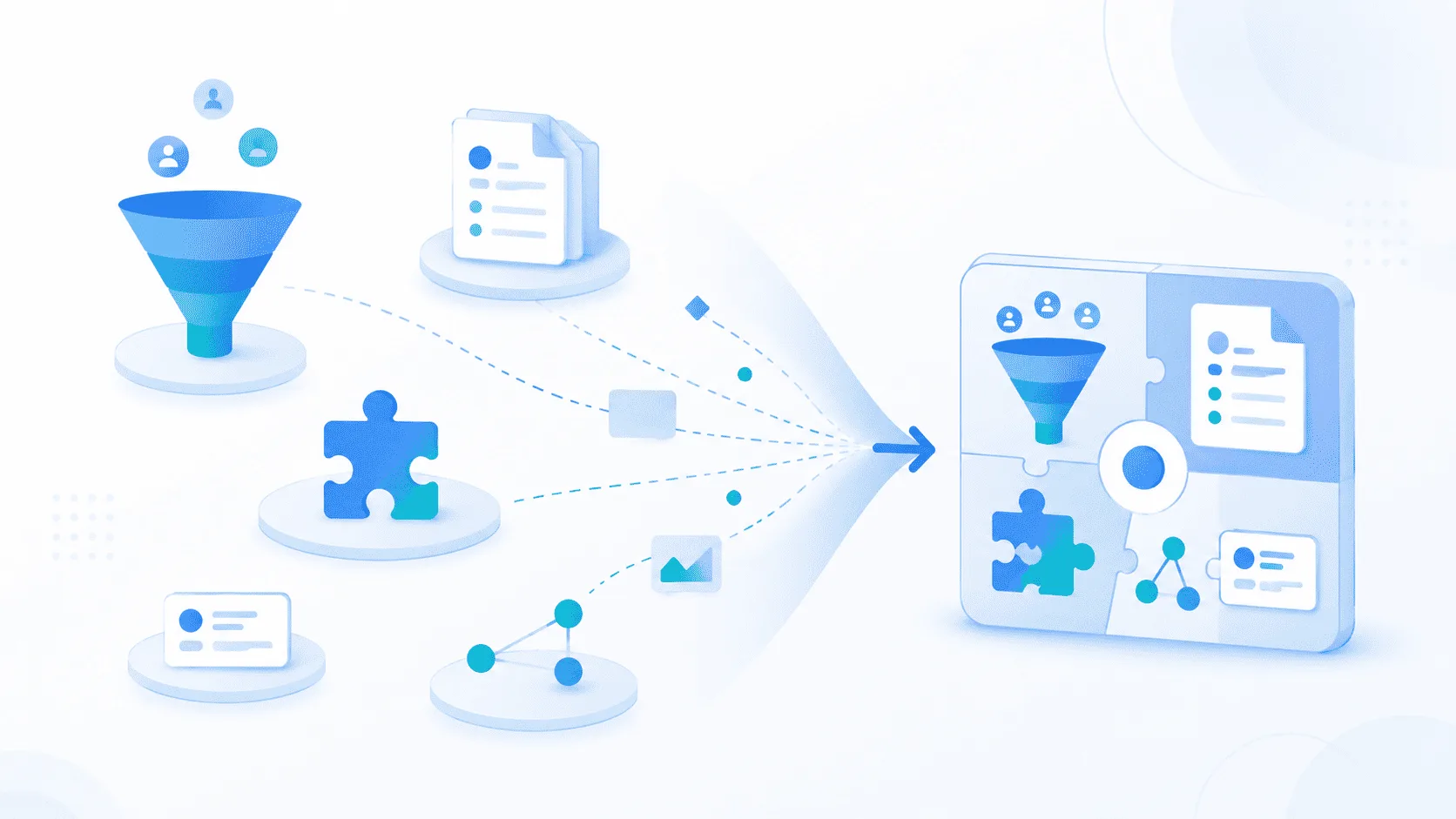
Building entirely from zero, with no existing foundation to adapt, sits at a different price point altogether, often several times higher, and with a much longer timeline. Starting from an already-built foundation and adapting it is what keeps the $12,000 to $30,000 range realistic: the core structure, the interface, and the basic logic already exist, and the cost reflects adaptation work, not invention from a blank page.
What happens if the project scope changes mid-way?
Scope changes are common, a new integration request comes up, or a data source turns out to be more complex than expected once the migration actually starts. A clear provider handles this through a documented change process rather than silent scope creep. Before signing, it's worth asking exactly how additional requests during the project get handled and priced, so a mid-project surprise doesn't feel like a bait-and-switch.
How do you evaluate a vendor's quote before signing?
A few questions cut through most ambiguity: does the quote clearly separate configuration, migration, training, and post-launch support, or is everything bundled into one vague number? Is the maintenance period after launch specified, or left open-ended? And does the quote name a realistic timeline, given the complexity described? A quote that answers all three clearly is usually a good sign of how the rest of the project will go.
Does this price include maintenance after launch?
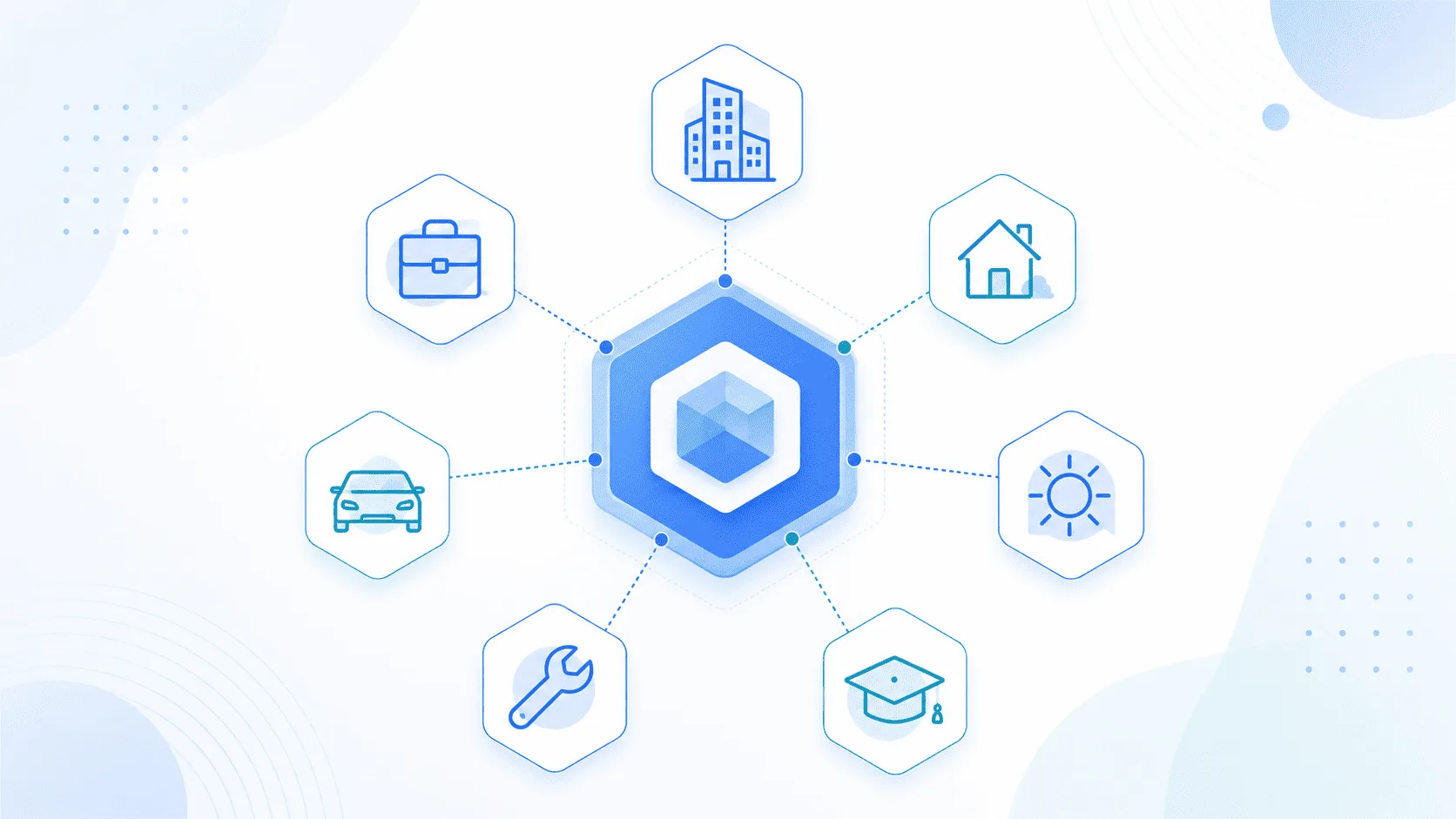
Generally yes, in one form or another, but it's a point worth clarifying explicitly before signing, rather than discovering it later. Good support includes post-launch follow-up to adjust anything that needs it once real usage patterns show up, without billing every small adjustment as a separate project. This is exactly the kind of detail that separates well-priced custom CRM software from a deal that looks cheap upfront and gets expensive later. Monark CRM falls within that $12,000 to $30,000 range mentioned above (roughly 120,000 to 300,000 MAD), with deployment typically completed in 4 to 8 weeks, migrating existing data, team training, and ongoing support over time, including the option to progressively enable AI features. It's already adapted to different industries, so the base cost already accounts for common sector variations rather than treating every industry as a fully custom build.
FAQ
Does custom CRM software really end up cheaper than a generic SaaS over time?
In most cases yes, especially past around ten users over several years, since the cost of a custom CRM doesn't mechanically scale up with the number of licenses.
Are there hidden costs to watch out for?
The point to systematically check is maintenance and evolution after launch, a good provider spells this out clearly upfront, with no gray areas.
Does the price vary depending on the chosen industry?
Slightly, especially if the industry requires specific integrations, but the underlying structure of the foundation stays the same regardless of the business involved.
How long does a typical project take from signing to launch?
Most projects complete in 4 to 8 weeks, depending on data volume and the number of integrations, with a clear preparation checklist helping keep that timeline realistic.
Is the price different for a service-based business compared to a product-based one?
The core pricing logic stays the same, though a service business sometimes needs more workflow customization around scheduling and client history, which can shift the estimate toward the higher end of the range.
Discover MONARK CRM, a customizable CRM, already built, adapted to your business.